Booking.com Data Breach Exposes Travelers to Smarter, More Dangerous Scams

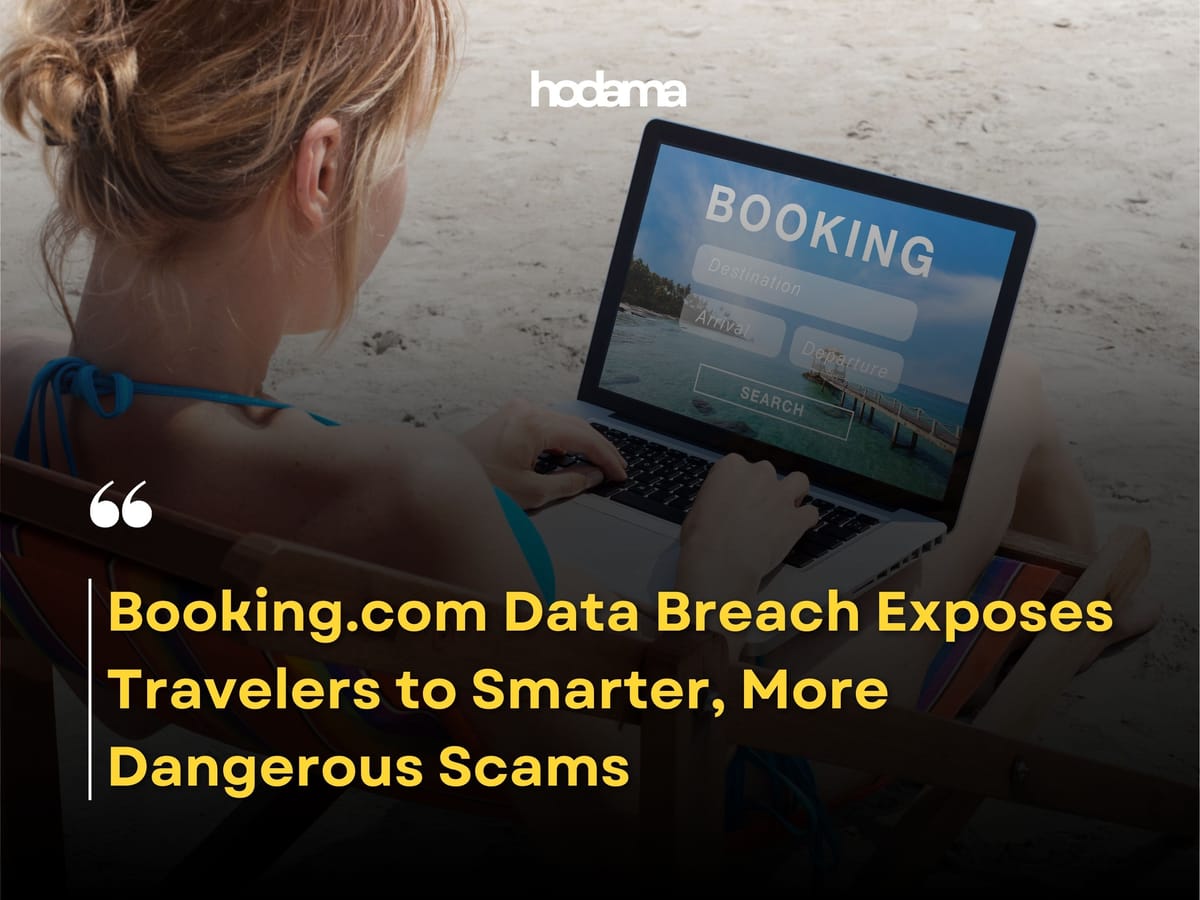
Imagine planning your next trip, feeling excited about a long-awaited vacation, and suddenly receiving an email or WhatsApp message that looks completely real, referencing your exact booking details. That excitement can quickly turn into anxiety. This is not a hypothetical situation anymore. Booking.com has confirmed that hackers accessed customer reservation data, exposing sensitive details like names, emails, phone numbers, and trip information. This isn’t just another tech headline. It’s a direct hit on the trust people place in digital platforms.
What makes this incident more concerning is not just the breach itself, but what comes after. The real danger lies in how this stolen data is being used. Attackers are now launching highly targeted phishing attempts. These are not generic scam messages anymore. They are personalized, convincing, and timed perfectly. Imagine receiving a message about your upcoming hotel stay, asking you to confirm a detail or make a small payment adjustment. Everything looks legitimate because the attacker already knows your booking details. That’s what makes this situation different and more dangerous.
This raises an uncomfortable question about how much trust we place in digital systems. We rely heavily on platforms like Booking.com for convenience. Booking flights, reserving hotels, uploading identification documents, and managing travel plans all happen in a few clicks. But incidents like this remind us that no system is completely immune. If a global platform with millions of users can be breached, it forces us to rethink how secure our personal data really is across the internet.
Interestingly, the company stated that payment information such as credit card details was not compromised. At first glance, that sounds reassuring. But the reality is more complex. Attackers don’t always need financial data to cause damage. With enough personal information, they can build trust and manipulate users into voluntarily handing over sensitive details. A simple message asking you to “verify your booking” can lead to a fake page where you unknowingly enter your payment information. The attack becomes successful not because of stolen data alone, but because of how that data is used.
There’s also a broader lesson here about cybersecurity awareness. Many people still think of cyber threats as something technical or distant. But this situation shows how personal it can become. Consider a simple real-life scenario. You receive a call from someone claiming to be from a travel agency. They know your booking date and hotel name. You feel reassured and continue the conversation. But when you ask a basic question like the company’s official name or request verification, they become vague or defensive. That moment of hesitation can reveal the truth. Awareness, even at a basic level, can prevent serious consequences.
Another important aspect of this story is transparency. Some users have expressed frustration that the company has not fully explained the scope of the breach. Questions remain unanswered. How exactly did the breach happen? How much data was accessed? Has the stolen information already been sold or used widely? When companies fail to communicate clearly, it creates uncertainty. And in today’s digital world, trust depends not only on security systems but also on honest and timely communication.
When we connect this to everyday life, it becomes even more relevant. We are all drawn to convenience. Fast bookings, instant confirmations, and seamless travel planning have become the norm. But convenience often comes with hidden trade-offs. In this case, it’s the risk to personal privacy. While it may not be realistic to avoid digital platforms entirely, it is possible to reduce risk through small, consistent habits. Being cautious about unexpected messages, avoiding clicking unknown links, and verifying communications through official channels can make a significant difference.
At a deeper level, this story is not just about a company or a cyberattack. It’s about human behavior. Hackers are not only exploiting systems. They are exploiting people. They rely on emotions like urgency, trust, and fear to manipulate decisions. That’s why the solution is not purely technical. It requires a shift in mindset. Being slightly more skeptical, taking a moment to verify, and questioning what seems urgent can be powerful defenses in a world where scams are becoming increasingly sophisticated.
So the next time you receive a message related to something personal like a travel booking, how will you respond? Will you act quickly and trust what you see, or will you pause for a moment and verify before taking action?