Lord of the Rings: Aragorn recast sparks debate on legacy, identity, and modern storytelling

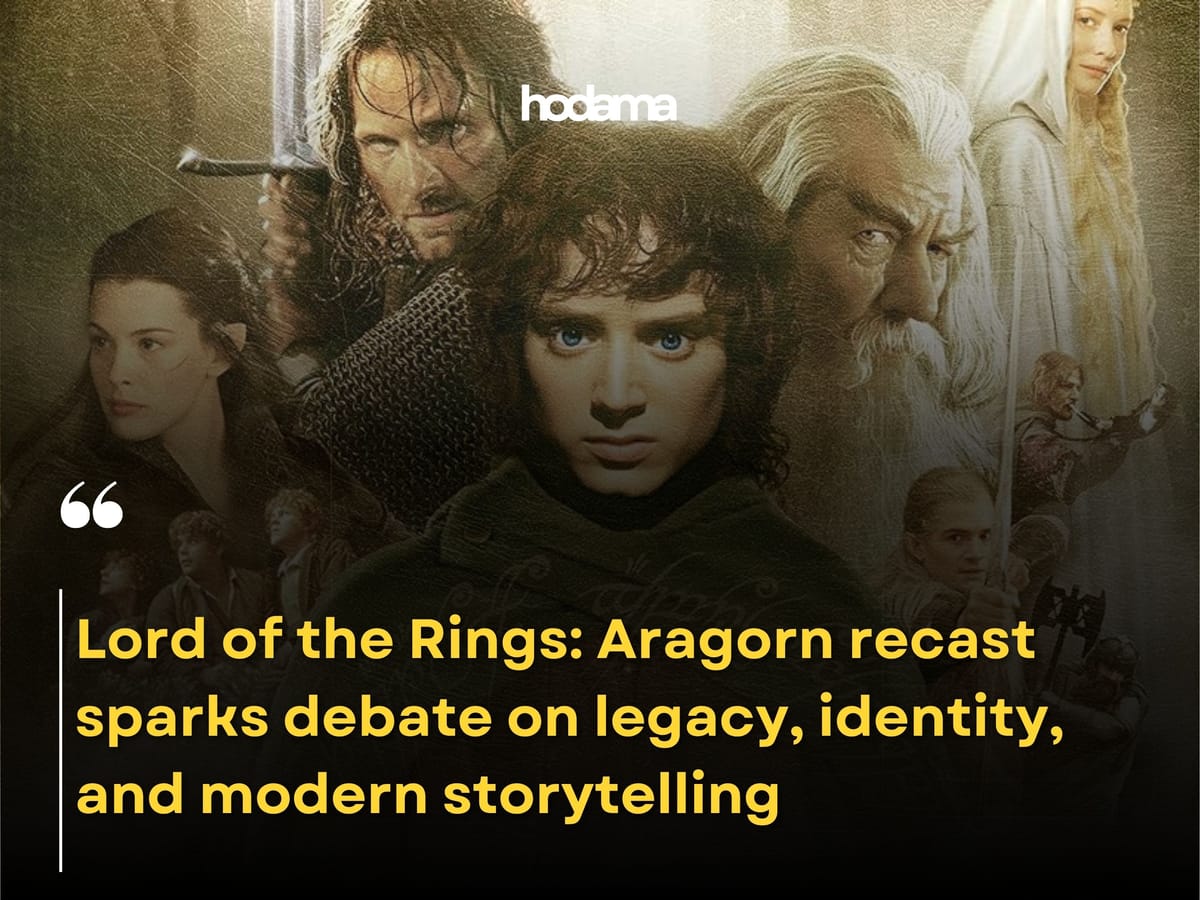
Middle earth has never been just another fantasy setting. It has lived for decades as a shared cultural memory shaped by storytelling, performance, and emotional attachment. The impact of The Lord of the Rings trilogy goes far beyond cinema, establishing a benchmark for how large scale narratives can connect with audiences on a deeply personal level. At the center of that legacy stands Aragorn, a character whose identity became inseparable from the performance of Viggo Mortensen. For many fans, that portrayal is not simply memorable, it feels definitive.
That is why the announcement that Aragorn will be recast in the upcoming The Hunt for Gollum has triggered such a strong reaction. On the surface, it might seem like a routine casting update, but in reality it reflects a much larger shift in how long running franchises evolve. Recasting is no longer a risk, it is becoming a necessary strategy. As cinematic universes expand and timelines stretch across decades, maintaining character continuity often takes priority over maintaining actor continuity.
What makes this particular transition more interesting is the involvement of Andy Serkis, who not only helped define the original trilogy through his portrayal of Gollum but is now guiding this new chapter. His confirmation that Mortensen supports the decision adds an important layer of trust. In a fandom where emotional attachment runs deep, that kind of endorsement acts almost like a bridge between past and future, easing the tension that usually comes with change.
The choice of Jamie Dornan as the new Aragorn also suggests that this is not simply about replacing one face with another. It signals a reinterpretation. Dornan brings a different kind of screen presence, one that leans into subtlety and internal conflict. Aragorn as a character is not just a warrior king, he is someone shaped by doubt, responsibility, and identity struggles. A modern performance approach could explore these psychological layers in ways that resonate with today’s audience.
This shift also reflects how audiences themselves have changed. Viewers today engage with stories in a more immersive and analytical way. With the rise of streaming culture and expanded lore, characters are no longer just followed, they are examined, debated, and reimagined. A project that dives deeper into the psyche of Gollum while repositioning familiar figures like Aragorn fits perfectly into this evolving landscape. It is not just about telling another story, it is about adding new dimensions to stories we thought we already understood.
In a broader sense, this recasting highlights a key truth about modern entertainment. Nostalgia alone is no longer enough. What audiences respond to now is the ability to revisit something familiar while discovering something new within it. That requires a careful balance between honoring what came before and being bold enough to move forward.
Ultimately, the Aragorn recast is not just a casting decision. It is a reflection of how storytelling itself is changing. The real question is not whether a new actor can replace the old one, but whether the story can evolve while still feeling authentic. If it succeeds, it will prove that even the most iconic legacies can grow without losing their soul.