30-Day Expiry on PlayStation Games? Gamers Question Digital Ownership

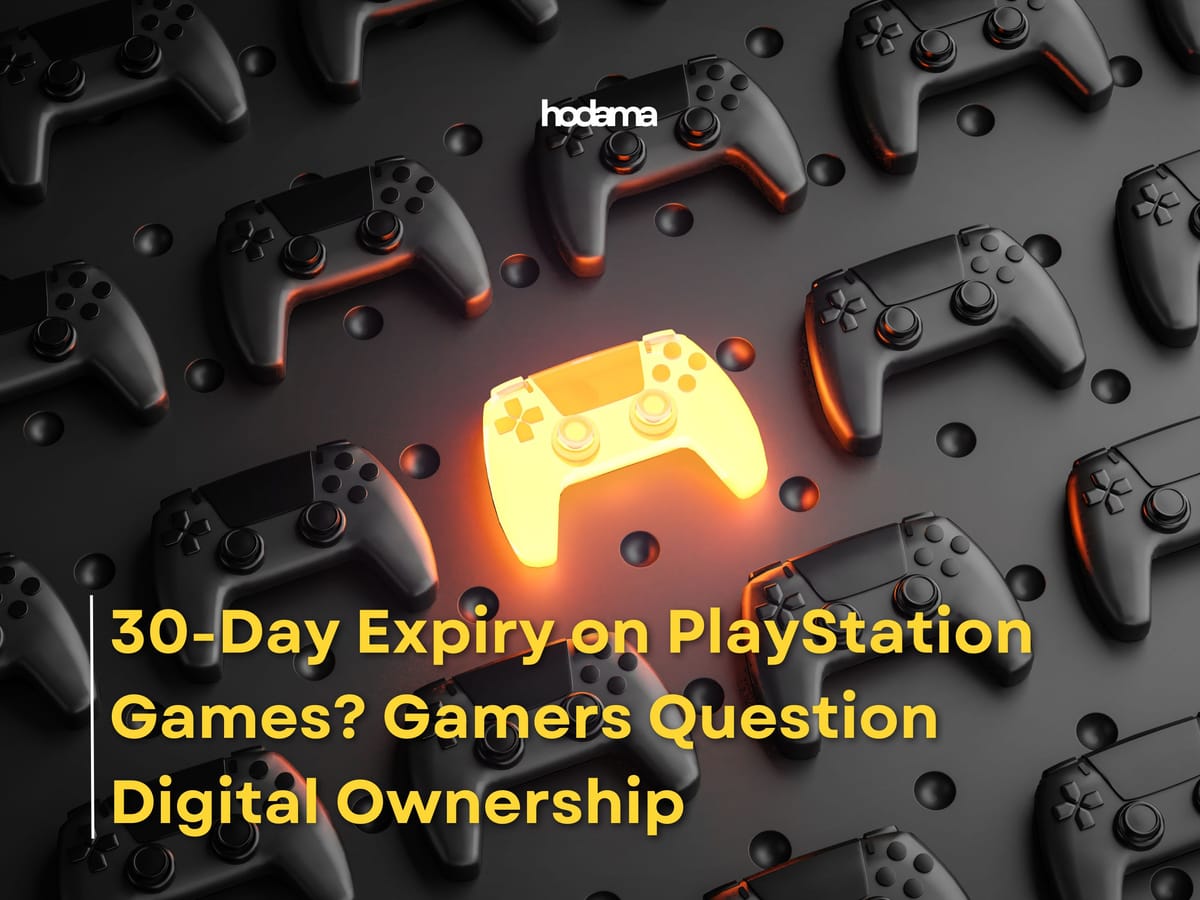
When we buy a game, we assume it’s ours. Especially on a platform like PlayStation, buying a digital title feels like ownership. You pay once, download it, and expect to play whenever you want. But a recent issue has shaken that assumption. Reports started spreading that digital games on PS4 and PS5 might require an online check every 30 days to stay active. If not, the game could disappear from your console. Whether this is a bug or something intentional is still unclear. But it raises a deeper question that many gamers have ignored for years. Do we actually own the games we buy digitally?
This story didn’t start with an official announcement. It came from a viral social media post that quickly gained millions of views. The claim was simple but alarming. A new DRM behavior was forcing digital games to show a 30-day validation period. If that timer expired without an online check-in, access to the game would be restricted. Naturally, this caused panic. Gamers imagined losing access to titles they had already paid for. The idea that a purchased game could suddenly become unplayable felt like a betrayal of trust.
Soon after, other users stepped in to calm things down. Some argued that the claims were exaggerated. According to them, this was not a new policy but a bug affecting certain purchases after a recent firmware update. Others suggested it might be linked to a fix for a known exploit. The problem is that none of this has been clearly confirmed. Sony has not made a detailed public statement addressing the situation. That silence has allowed confusion to grow and speculation to spread even faster.
One important clarification did emerge later. Even if the timer expires, users do not lose ownership of the game entirely. The license remains tied to their account. However, the game may be removed from the console until it is revalidated online. That might sound like a small difference, but in real life, it matters. Imagine trying to play a game during a power cut or in a place with poor internet. Suddenly, something you paid for becomes temporarily unavailable. That feels less like ownership and more like controlled access.
This situation brings back the long-running debate between digital and physical games. Physical copies offer a sense of control. You insert the disc and play. No internet checks, no server dependencies, no hidden timers. Digital games, on the other hand, offer convenience. They are often cheaper, instantly accessible, and easy to manage. But that convenience comes with conditions that many users do not fully understand. Behind the scenes, everything depends on licenses, servers, and company policies.
At its core, this issue exposes a simple truth. Digital purchases are not the same as owning a physical product. What you actually get is a license to use the content under certain conditions. Those conditions can change. They can be updated, restricted, or even revoked in extreme cases. This is not limited to games. The same applies to movies, music, and software. We live in a world where access often replaces ownership, even if it doesn’t feel that way at first.
Another layer to this problem is communication. If Sony had clearly explained what was happening, much of the panic could have been avoided. In today’s connected world, information spreads instantly. But so does misinformation. A single post can shape the perception of millions. When companies stay silent, users fill in the gaps with assumptions. Those assumptions then turn into widely accepted “facts,” even if they are not fully accurate.
This also says something about us as users. We tend to prioritize convenience without questioning the trade-offs. Digital platforms make life easier, so we trust them without thinking too deeply about control and limitations. For example, someone might build an entire game library digitally over years. But if access depends on servers and policies, how secure is that library really? What happens if systems change in the future?
In the end, whether this PlayStation issue turns out to be a bug or a real feature is almost secondary. What matters is the conversation it has triggered. It forces us to rethink what it means to “own” something in a digital world. It challenges the assumptions we make every time we click “buy” on an online store. And it highlights how much power companies hold over the content we believe belongs to us.
So here’s the question worth thinking about. When you purchase digital content, are you truly buying something you own, or are you simply renting access under conditions you don’t fully control?