The Mandalorian and Grogu: A Cinematic Turning Point Shaping a New Generation of Star Wars Fans

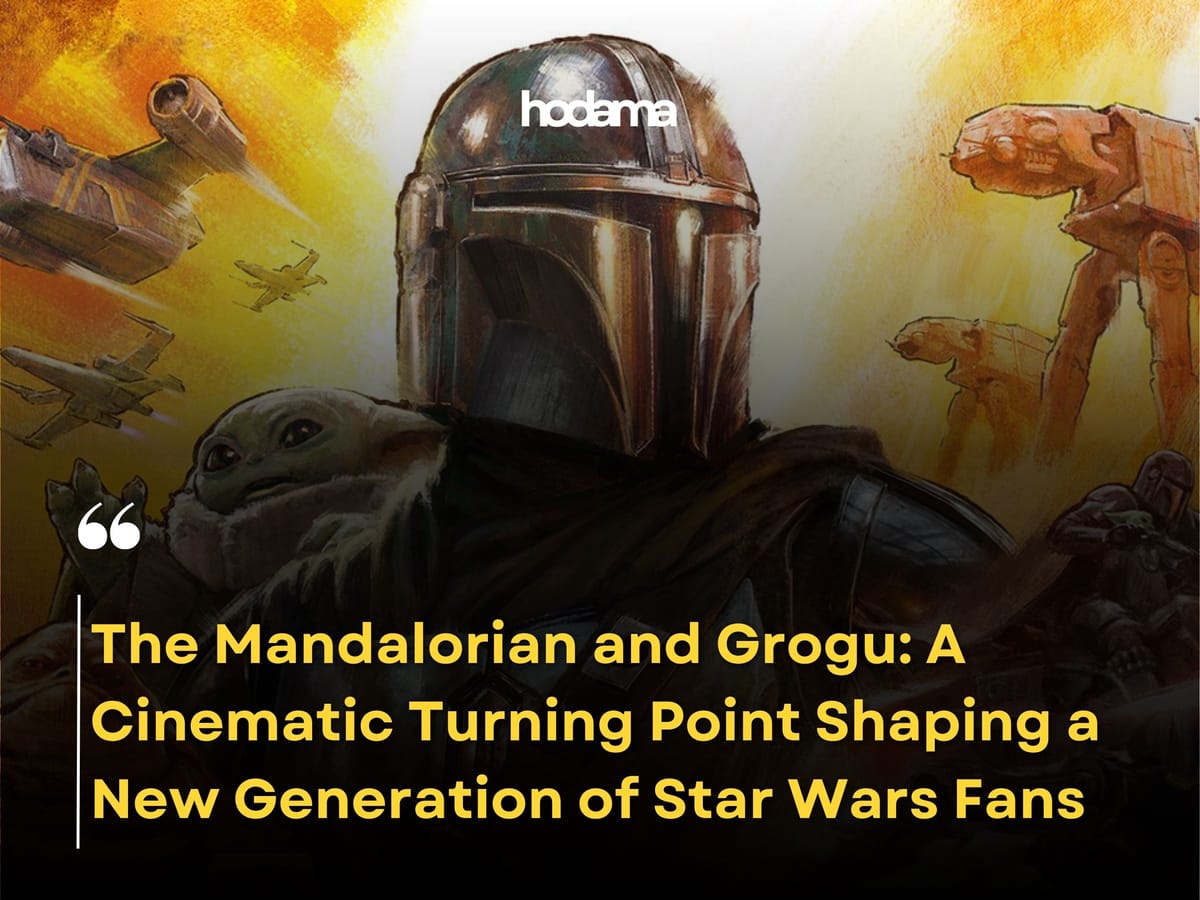
There is something quietly significant happening in the world of Star Wars, and it goes far beyond the release of just another film. The Mandalorian and Grogu arrives at a moment when both the franchise and the broader film industry are standing at a crossroads, trying to understand what theatrical storytelling means in an era dominated by streaming platforms and shifting audience habits.
Director Jon Favreau has made it clear that his goal is not simply to extend an already massive universe, but to recreate a feeling. He wants a new generation to experience the same sense of wonder that audiences felt when they first encountered Star Wars Episode IV A New Hope. That intention carries more weight than it might seem at first glance. For many children growing up today, especially those born after the release of Star Wars The Rise of Skywalker, this will be their first opportunity to witness a Star Wars story unfold on the big screen. That first encounter matters, because it often shapes lifelong emotional connections to a franchise.
What makes this moment even more complex is the changing nature of cinema itself. The global box office has not fully recovered to its pre pandemic strength, and audience behavior has evolved. Convenience driven streaming has redefined how people consume stories, making theatrical releases feel less essential than they once were. In that context, the release of The Mandalorian and Grogu becomes a kind of test case. Can a franchise built on spectacle and shared viewing experiences still draw audiences into theaters in large numbers?
There is also a strategic advantage at play. According to Lucasfilm leadership, including Dave Filoni, this film benefits from not carrying the heavy expectations tied to a full trilogy. The sequel trilogy faced intense scrutiny, with debates around narrative direction, legacy characters, and continuity shaping audience reactions. By contrast, this project is positioned more like a contained story, which allows for creative flexibility and reduces the pressure of meeting sky high expectations.
Financially, however, the stakes remain high. Historically, films like Star Wars Episode I The Phantom Menace demonstrated the franchise’s ability to generate massive opening weekend numbers. But the industry landscape today is very different. Factors such as audience fragmentation, marketing costs, and shortened theatrical windows all influence performance. Whether this film can reach the billion dollar benchmark of earlier entries is uncertain, and perhaps that is not the only metric that matters anymore.
The deeper question is whether success should be measured purely in revenue, or in cultural impact. If this film manages to ignite the imagination of a younger audience, it could lay the foundation for the next era of Star Wars fandom. That kind of connection fuels not only future films, but also series, merchandise, and an entire ecosystem of storytelling that extends far beyond a single release.
In that sense, The Mandalorian and Grogu is more than a continuation. It is an experiment in the future of theatrical storytelling within a franchise that has always depended on scale, emotion, and shared experience. It is an attempt to prove that even in a digital first world, the magic of sitting in a dark theater and watching a galaxy unfold on a massive screen still holds power.
So the real question is not just whether this will be a successful film, but what it represents. Is it simply another chapter in a long running saga, or is it the doorway through which a new generation will discover the wonder of a galaxy far far away for the very first time?