
Snaptube: Rethinking Digital Freedom Through Seamless Social Media Video Downloading

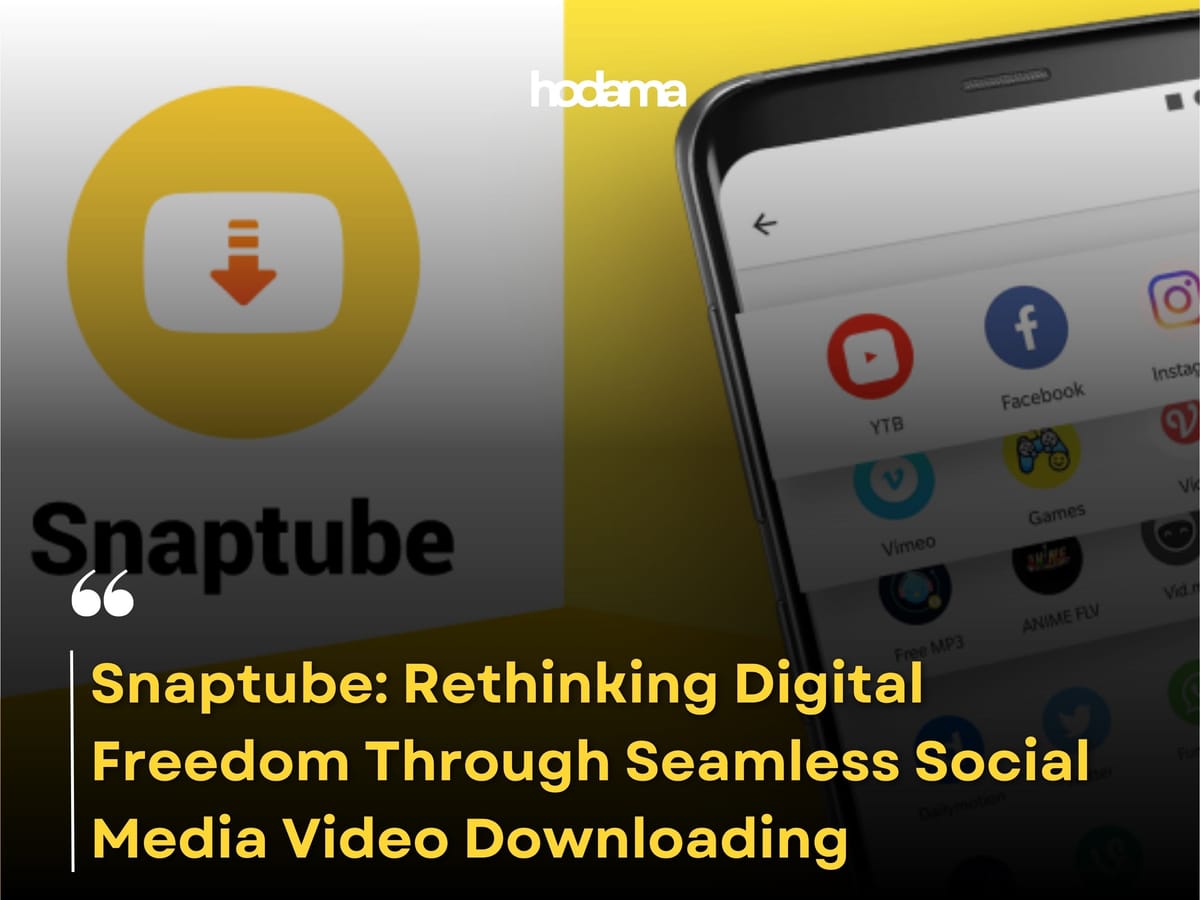
Most people have heard of Snaptube, and many have probably used it at least once. On the surface, it feels like a simple and incredibly convenient tool. You see a video on Facebook, YouTube, Instagram, or almost any other platform, and with just a few taps, you can download it either as a video file or even convert it into an audio file. It sounds straightforward, almost too good to question. But when you look a little deeper, Snaptube represents something much bigger than just a download tool. It reflects how users are slowly reshaping control within the digital content ecosystem.
Today’s social media platforms are designed around streaming, not ownership. When you watch a video on YouTube or scroll through content on Instagram, you are participating in a carefully structured system. That system is driven by recommendation algorithms, ad delivery mechanisms, and continuous user engagement tracking. Every second you spend watching content contributes to a data driven loop that benefits the platform and, to some extent, the content creator. But tools like Snaptube quietly disrupt that entire model by allowing users to step outside of it.
When you download a video using Snaptube, you are essentially converting a streaming experience into an offline one. This shift may seem small, but it carries significant implications. Offline access means no ads, no algorithmic interruptions, and no dependency on internet connectivity. In regions where mobile data is expensive or inconsistent, this becomes more than just a convenience. It becomes a practical solution that changes how people consume media. A single download can replace multiple streaming sessions, saving both time and money.
However, this convenience comes with trade offs that are often overlooked. Most major platforms explicitly restrict unauthorized downloading in their terms of service. This means that while Snaptube empowers users, it can also place them in a gray area when it comes to platform policies. More importantly, it affects the revenue models that many content creators rely on. Since a large portion of online earnings comes from ad impressions and engagement metrics, offline consumption reduces the visibility and monetization potential of that content. In a subtle way, every downloaded video shifts value away from the creator and the platform.
There is also a security dimension that cannot be ignored. Unlike officially distributed applications found in trusted app stores, Snaptube is typically installed through external APK files. This introduces a layer of risk, as users must rely on the credibility of the source they download from. Potential vulnerabilities such as hidden malware, excessive permission requests, or background data tracking are all possibilities that require careful consideration. In other words, the freedom offered by such tools often comes with an added responsibility for the user.
What makes Snaptube particularly interesting is how it highlights the tension between user empowerment and platform control. On one side, it gives individuals the ability to decide how and when they access content. On the other, it challenges the structured systems that sustain the modern digital economy. This is not just about downloading videos. It is about who truly controls digital content in an age where access is often prioritized over ownership.
In the end, Snaptube is more than just a useful app. It is a reflection of changing user expectations in a world dominated by streaming platforms. It forces us to think about convenience, ethics, and sustainability all at once. As users, the choices we make with tools like this do not just affect our personal experience. They quietly shape the future of how digital content is created, distributed, and valued.